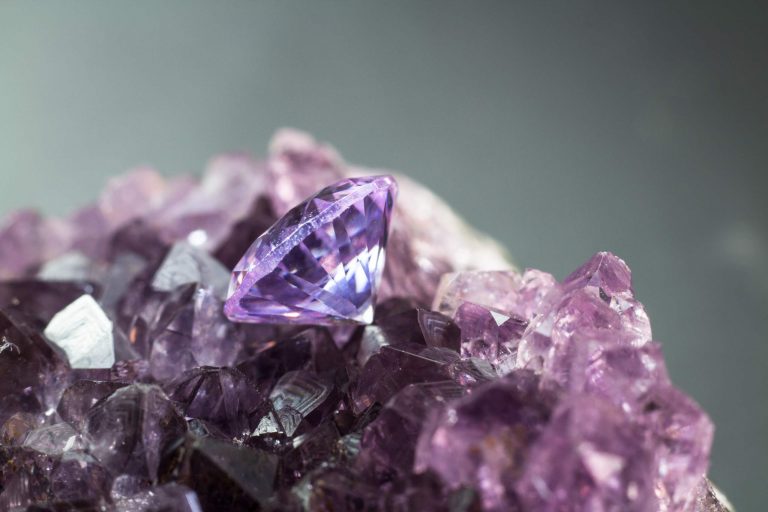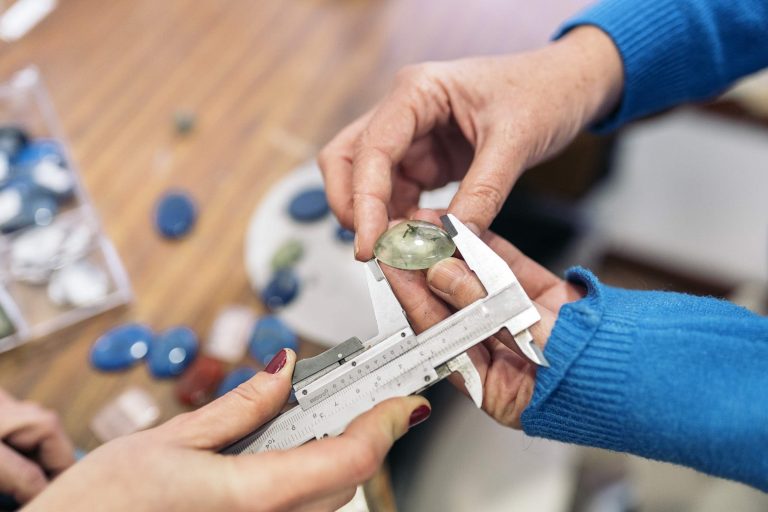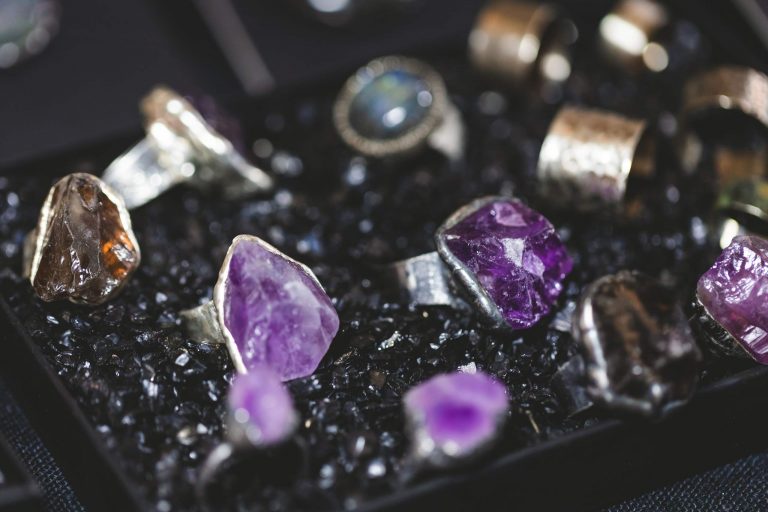

Gemstones are often so similar visually that the only way to be certain that one stone is a ruby, not a pink sapphire, is with gemological tools and professional expertise. Gemologists employ scientific tools and equipment to identify stones, differentiate between natural and fake stones, and identify quality.
The Importance of Identification
A gemstone’s identity, rarity, treatment status, and origin have a major impact on its value. The price of two gems that look almost alike can vary greatly. Accurate identification protects the buyer and the seller.
How to Identify a Stone
Gemological examination begins with a visual analysis of color, clarity, and internal features that can be used to determine the nature of the stone. Visual analysis alone rarely gives a clear result. However, with the use of instruments such as a refractometer, microscope, spectroscope, or polariscope, it is possible to achieve a clear result. Such devices aid in determining a stone’s internal properties, as well as the ways a stone reacts with light, and helps to differentiate one mineral from another.
Natural, Synthetic and Treated Gemstones
The ability to distinguish between a stone that was naturally formed, synthetically made, or treated to improve the appearance of the stone is a fundamental skill for gemologists. Synthetic stones have essentially the same chemical composition as natural stones, making it extremely challenging to distinguish. Heat-treated or clarity-enhanced stones are often valued differently than untreated stones; these treatments must be disclosed at the time of sale.
The Future of Gemology
Gemology continues to grow and change, combining the principles of geology, chemistry, and physics with advanced gemological technology. There will be a growing need for professional gemologists as lab-created gemstones continue to be more sophisticated and the global market for gemstones grows. There are opportunities in gemological laboratories, as well as with jewelry manufacturing, appraisal, and auction companies.
Summary
The story of how a gemstone formed is unique, but only a gemologist who is well educated and has the necessary tools will be able to fully understand the gem’s formation history. The skills and knowledge that are required to identify, and analyze a gemstone will be your first step toward a career in the fascinating world of gemology.