The diamond industry has evolved significantly over the past decade, largely due to the growth of lab-grown diamonds. Although they may look the same, it is important for consumers and gemology students to know more about lab-grown diamonds and natural diamonds. Let’s explore some differences between them and why this matters for your jewelry buying experience.
What Are Natural Diamonds?
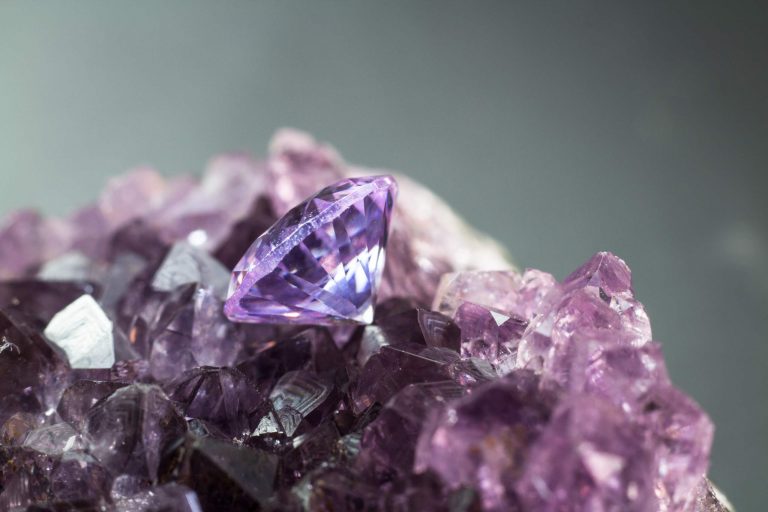
Natural diamonds form deep in the Earth’s mantle, where they are exposed to high pressure and heat. Eventually, volcanic action transports them closer to Earth’s surface. Natural diamonds are rare and have been prized for their unique geological and historical value for centuries.
What Are Lab-Grown Diamonds?
Lab-grown diamonds are real diamonds. They possess the same chemical makeup and physical properties as natural diamonds. However, they form in laboratories rather than deep within the Earth. Scientists have developed new ways to mimic the high pressure and heat conditions found deep within the Earth’s mantle, allowing lab-grown diamonds to grow more rapidly. The quality and production of lab-grown diamonds have improved drastically. Lab-grown diamonds can be manufactured in weeks while the natural ones can take billions of years to form!
How Can One Differentiate?
Visually, lab-grown diamonds and mined ones are indistinguishable to the naked eye. To identify them accurately, one must resort to the help of sophisticated machines used by labs worldwide. Even professional jewelers cannot tell them apart without the aid of these advanced tools. This is why certification, and lab reports, play an essential part in the jewelry business and are highly recommended.
Natural Diamonds vs Lab-Grown Diamonds, Which Is Better?
In today’s market, both lab-grown and natural diamonds are accepted. Lab-grown diamonds are generally more affordable and can be found in larger sizes. Meanwhile, natural diamonds are valued by customers for their geological origin. Neither is better or worse; the final decision comes down to the customer’s preference.
Conclusion: How Important are Gemologists?
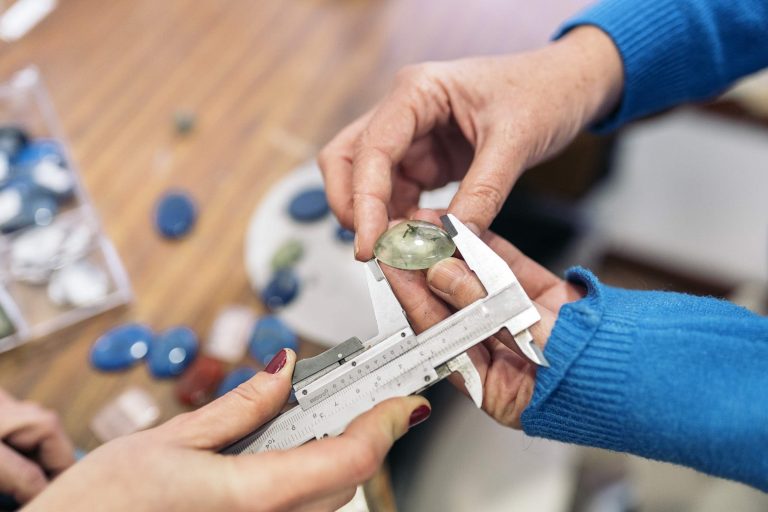
As lab-grown diamonds become more and more widespread, the demand for trained gemologists will only grow. Gemologists must keep up with new and modern technology, such as how to identify and grade both lab-grown diamonds and natural diamonds. Gemology education can teach you the international standards for grading diamonds, how to accurately and ethically identify diamonds, lab-grown diamonds, and many other skills. Lab-grown and natural diamonds are two separate categories, so it is essential to learn the differences and characteristics of each if you are interested in the field of gemology.