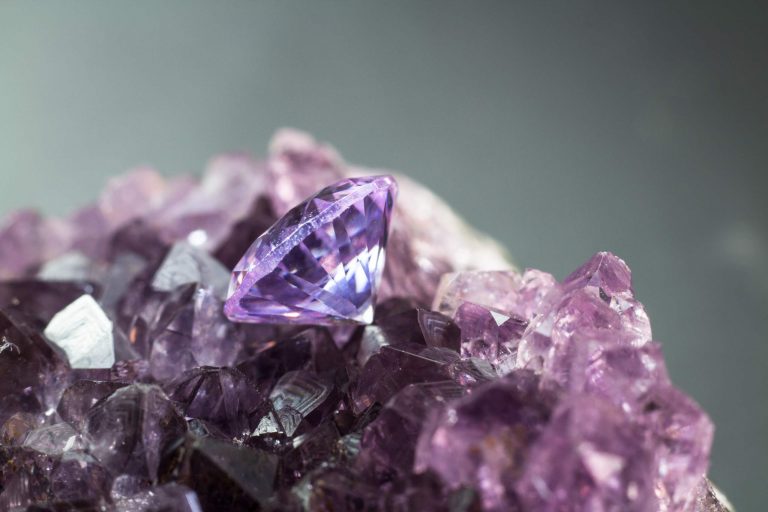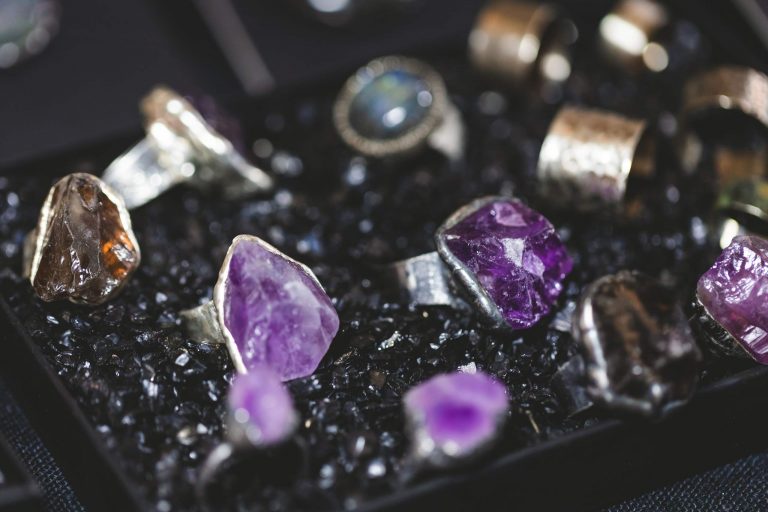
Long before a gemstone is showcased in a jewelry store, it’s already inside of the Earth somewhere. A rough stone is unearthed from the ground and undergoes a variety of steps before it’s cut, polished and offered for sale. Gemmologists are involved in each stage, ensuring a gemstone retains its inherent beauty, quality and value through all these steps.
Exploration, Discovery and Mining
Gemstones can be found anywhere on the globe. They can be found in open-pit mines, underground mines and riverbeds. A rough gemstone is separated from the host rock, then classified according to its potential value, size and quality.
This stage in the life of a gemstone is considered the most difficult. A high-value gemstone can be buried in a mountain, with little chance of being located.
Sorting, Cutting and Polishing
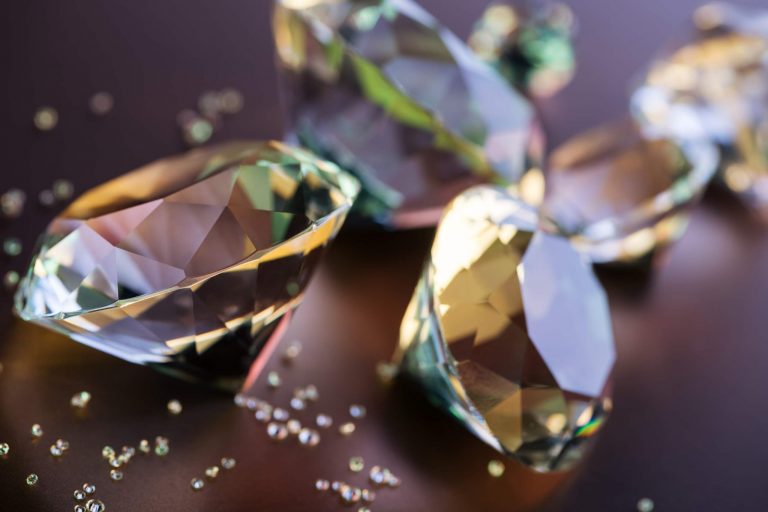
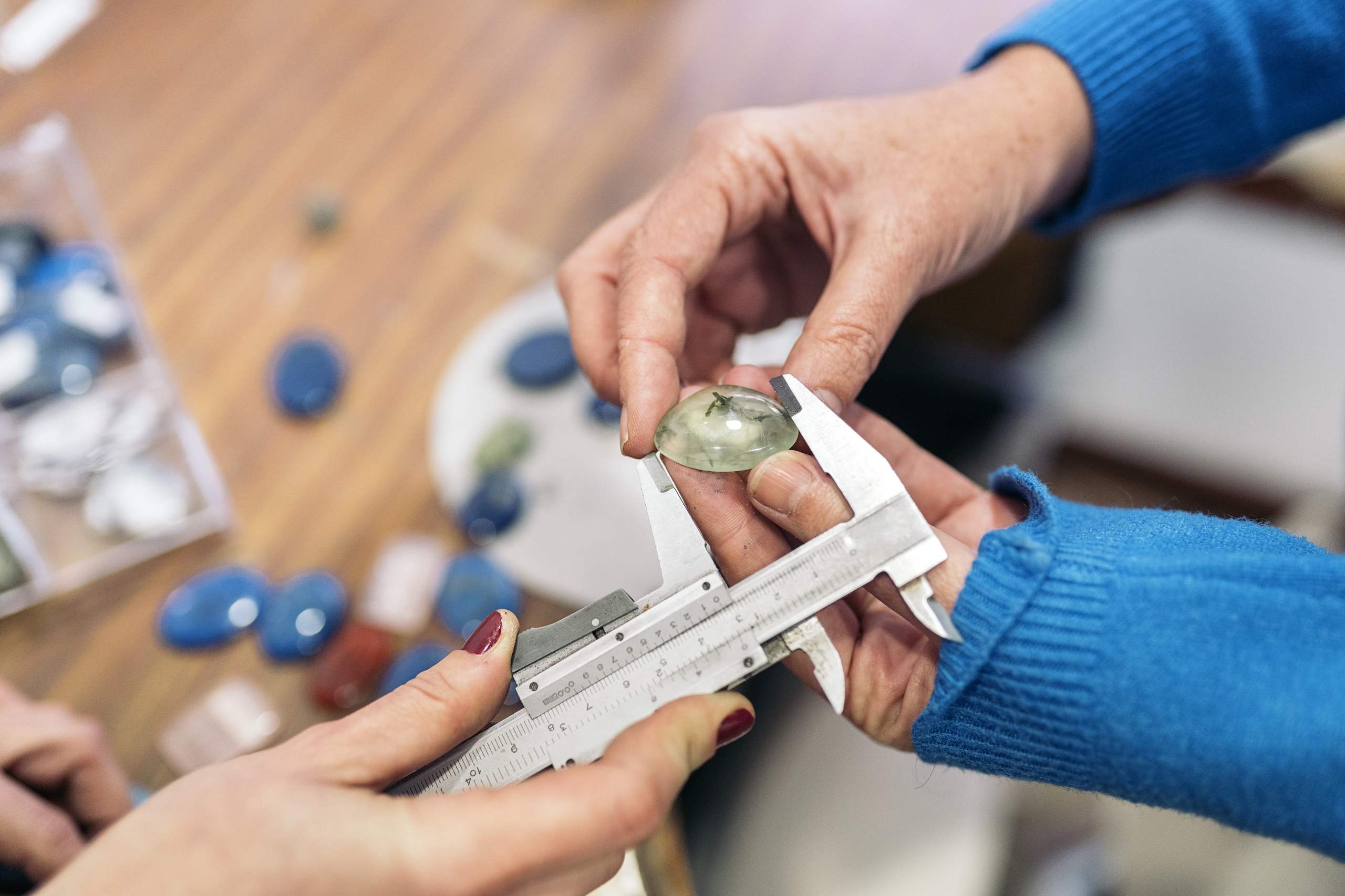
Once a rough stone has been retrieved from the ground, experts will evaluate and grade it, making decisions about whether it should be faceted to produce the highest value, or cut en cabochon. These choices will determine the look and appeal of the finished gemstone.
Cutters and lapidaries will create the finished gemstone, cutting it to reveal the best of its optical properties. This involves shaping, grinding and polishing a gemstone to bring out the greatest depth of color and intensity of brilliance.
Gemological Reports and Sales
Not all gemstones will undergo formal evaluation. If a seller would like to have a report written about a stone, or would like to have the stone verified as something else or to be able to see what kind of enhancements have been performed on a stone, there are several reputable gemological laboratories that provide this kind of work. Once a gemstone has been certified and has a gemological report, the stone can then be sold at a wholesaler, a broker, a manufacturing and a retailer of gemstones.
Gemmological Education is Key
Gemmologists provide essential services that support the safe and ethical buying and selling of gemstones and other precious materials. Gemmologists ensure the correct ID of every gemstone is correctly assessed and documented. This is extremely important as buyers need to be able to trust the identity of the gemstone and the quality report that is attached to the gemstones purchase. As demand for natural gemstone increases, so to do the demand for the skills and training required by gemmologists.
Final Words
This is only the first stage of a gemstone. A gemologist’s understanding and expertise is very important in the gem and mineral industry, and is essential in any gemstone purchase.